THE WOODS ARE FULL OF WALLS
A habitat in my yard is also in your neighborhood, as well as in downtown Honolulu, Iceland and all national parks. The habitat exists worldwide, and anyone has the option of checking it out instead of staring at electronic devices. Walking around outdoors is a healthy activity, so I suggest you examine a habitat that will nearly always offer some life to observe.
We see this habitat daily but seldom think of it in ecological terms. I refer to walls. Yes, walls: vertical surfaces. Plants and animals will inhabit any viable area if given enough time. Walls make up a significant portion of the world’s terrestrial habitats as well as those beneath the sea. In the 1981 book “Ecology of Walls,” Arnold Darlington asserts that walls comprise more than 10 percent of an area habitable by plants and animals, even in a city. Walls are all around us: the sides of houses and sheds, fences and plate glass windows.
Many factors affect the extent and composition of species inhabiting walls, including the degree of inclination. Some walls have horizontal projections creating shelf space likely to collect dirt and debris where seeds can root. Compass direction could matter for some species. Certain mosses are more likely to grow on the shadiest side. Material, porosity and composition of the wall; the climate of the region; the history of human alteration. All influence what will live on a wall.
One factor affecting vegetative character is the age of the wall. Algae, mosses and lichens usually become established first. Moths and other insects use them as landing sites right away. Vines rooted at the base create vegetative murals. English ivy thrives on walls, particularly brick ones. The custom of “planting the ivy” at certain universities in the Northeast brought us the term Ivy League schools. When rock walls are left unattended, they decompose. Shrubs and trees are likely to grow from the wall ruins. Once a wall has structure in the form of vines or other plants, larger animals may begin to take up residence in some of the crevices.
Ecologically, walls offer various learning opportunities. School science projects could ask questions such as: Do wood, brick and concrete walls in an area differ in the number and kinds of permanent inhabitants? What about visitors? Does a shaded wall have more organisms than a sunny one? Look at what grows on the wall. How important are the wall’s age, height and position relative to ground vegetation? Imagine the data a student could accumulate over a few days, demonstrating that walls support the biodiversity of an area. Having students list plants and animals found on walls in their neighborhood and then classifying the organisms could be instructive. Comparing findings between neighborhoods or even two streets over could reveal interesting ecological patterns. Look for small stuff as well as the larger, more obvious flora and fauna.
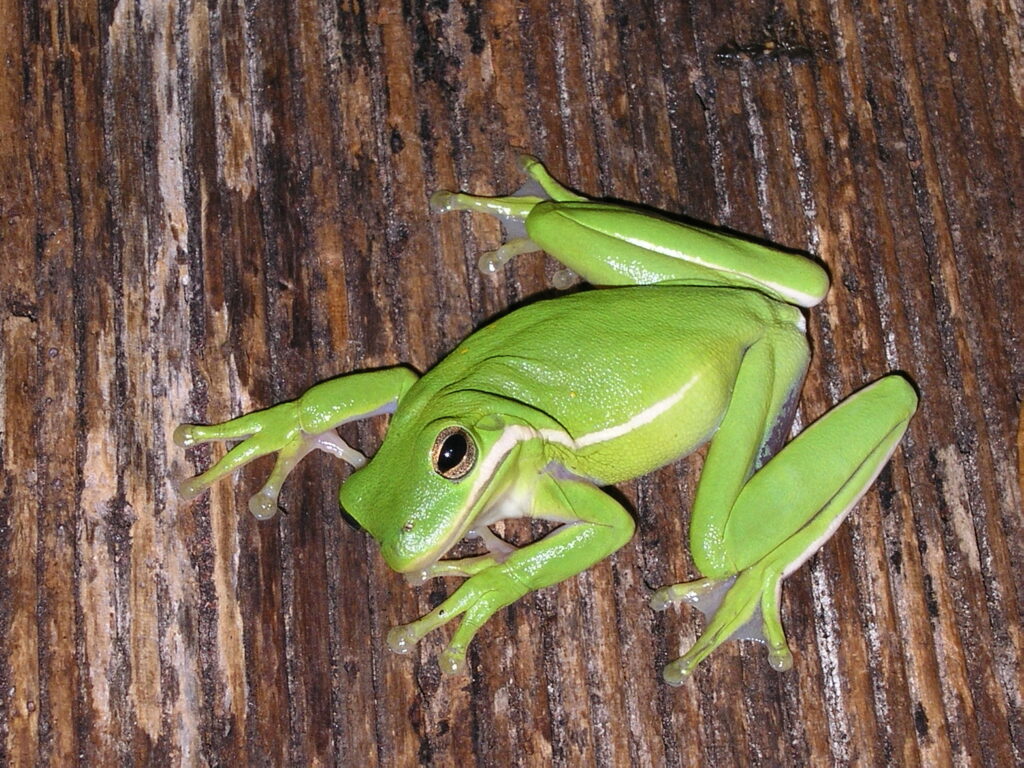
Examining walls near your home is a simple and safe way to entertain yourself as well as any children in your care. It allows you to view the world from a different perspective and to learn about and better understand a local ecosystem. Based on my own observations of brick walls, picture windows, boulders, tree trunks and even leaves themselves (which are just little walls), you might find caterpillars, lizards or treefrogs. Spiders and insects could turn up on any of the vertical surfaces you are investigating. Don’t forget to look on the top of walls with a flat surface. Birds use such places every day as perches and lookout points.
Consider this question: Why are so many plants and animals already suited for living in a vertical ecosystem created by humans? The answer is all around us: trees. The forests are full of natural walls that plants and animals have been using much longer than those we have created. Walls are more interesting ecologically than most people realize. See what you can discover on your neighborhood walls.
Send environmental questions to whitgibbons.com/questions