SHOULD WE FEED WILD ANIMALS?
I receive versions of the following questions every spring and summer as people begin to have more interactions with our native wildlife.
Q. Is it environmentally acceptable to feed wild animals? I know people who feed squirrels and pigeons in parks, have bird feeders in their backyards or throw food to chipmunks around picnic tables at parks. We feed the turtles in our lake almost every day during warm weather. And what about deer, raccoons and bears? Are there any restrictions on feeding these or other animals? Is feeding wild animals likely to harm them?
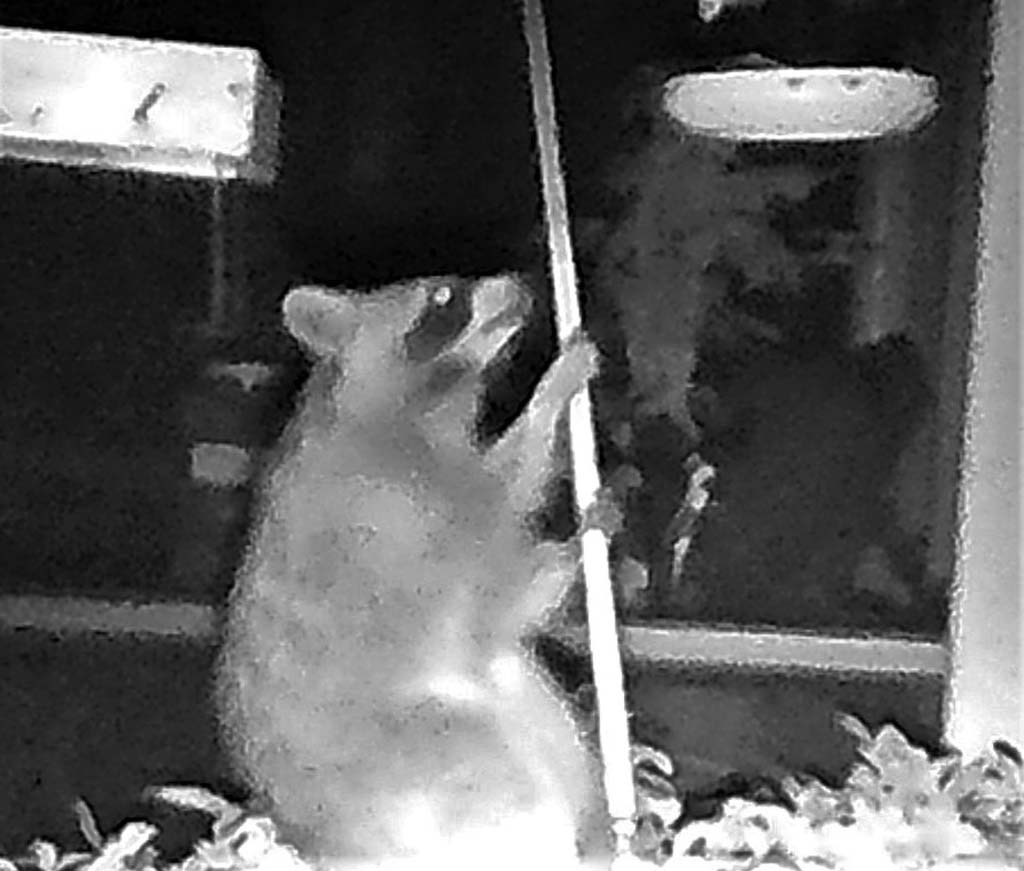
A. The answer to your general question about whether it is environmentally acceptable to feed wildlife depends on a variety of circumstances, including federal and state laws as well as local ordinances. It is against the law to feed wild dolphins, alligators and federally threatened or endangered animals anywhere, so the species you intend to feed clearly makes a difference. As for other wild animals, the rules can vary from state to state. Whether an animal is a game species, such as deer, may influence the regulations. As for bears, quite aside from any legal aspects, feeding a black bear with sharp teeth and big claws is a bad idea, no matter how cute and cuddly the bear seems. Feeding raccoons often leads to their becoming a nighttime nuisance around your home.
Feeding backyard birds, squirrels and chipmunks is permissible under most circumstances, and lots of people do so. Generally, such handouts do not adversely affect the animals, but critics can be found. According to the National Park Service, “Feeding wild animals disrupts their lives, and is dangerous for people. When animals become used to being fed, they become habituated and no longer act naturally.” The U.S. Fish and Wildlife Service addresses issues with backyard bird feeders, noting that potential problems include attracting bird predators and increasing collisions with windows. Concentrations of birds in a single spot like a bird feeder may result in a greater chance of transmission of bird diseases. The upside of feeding birds: people become more attuned to nature by having a dependable wildlife interaction on a regular basis. To me, the positives outweigh the negatives in most situations. However, some wildlife enthusiasts disagree, maintaining that feeding any wild animal, including birds, is unethical from a conservation perspective because of the reasons mentioned above.
Feeding turtles in lakes is a different matter and, in my opinion, should not be a problem for the givers or the recipients. Turtles can go for months without eating, so introduced food would only be a supplement to their natural diet. They would not become dependent on it to survive. In addition no turtle is likely to suffer from a health standpoint because of supplemental feeding as is sometimes true with wild mammals that are overfed. In contrast to alligators, turtles fed on a regular basis will not hurt you unless you pick one up and let it bite you. Many of the perceived problems with so-called nuisance alligators are caused by people having fed them when they were small so that they lost their fear of humans. A 10-foot alligator that approaches shore for a handout every time it spies a human is quite different from a turtle accustomed to food offerings. Turtles are not going to become a dangerous nuisance. Fed alligators probably will.
Despite some people’s concerns about feeding wild animals, providing food for turtles near a lake or animals at a backyard feeder has few downsides. It offers an opportunity to observe animal behavior and gain a greater appreciation of nature. Supplemental feeding usually has few negative consequences for the animals themselves or the people providing the food. Check out the regulations for your state and municipality about feeding whatever wild animals you expect to encounter. If you stay within the legal guidelines—and add a dose of commonsense—feeding wild animals can be a gratifying educational experience.
Send environmental questions to ecoviews@gmail.com.