STATE NICKNAMES EMBRACE THE ENVIRONMENT
Our dependence on the environment is so ingrained in human culture that we acknowledge connections with nature in a diversity of ways. One way we relate to the natural world of plants, animals and ecosystems is in our naming of things. For example, several NFL teams clearly have a fondness for wild cats (Panthers, Jaguars, Lions, Bengals) and predatory birds (Eagles, Falcons Ravens, Seahawks). Not sure how Cardinals crept in there but, after all, they will eat worms and insects.
An entertaining exercise is to look at any list that gives nicknames and see how many pertain to the environment. For example, check the standardized list of nicknames for U.S. states. More than half display a connection to nature—6 animals, 9 plants, 9 natural ecosystems or landscape features, plus climate and minerals.
Pursuing some of the state nicknames a bit more in depth can be enlightening. Although some are straightforward with no room for argument about the meaning, some are equivocal. One might think the Beehive State (Utah) qualifies because of a connection with the insect. Not really. It refers to how busy Utahans would like to be perceived, not to the industrious honeybees themselves. Michigan enjoyed being called the Wolverine State after the fierce carnivorous creatures with a reputation for strength unrivaled by any other mammal their size. Once Michiganders realized wolverines are virtually unknown in the state, they changed the name to the Great Lakes State, still in keeping with the environmental theme. The University of Michigan has been less fickle, sticking with Wolverines as its mascot.
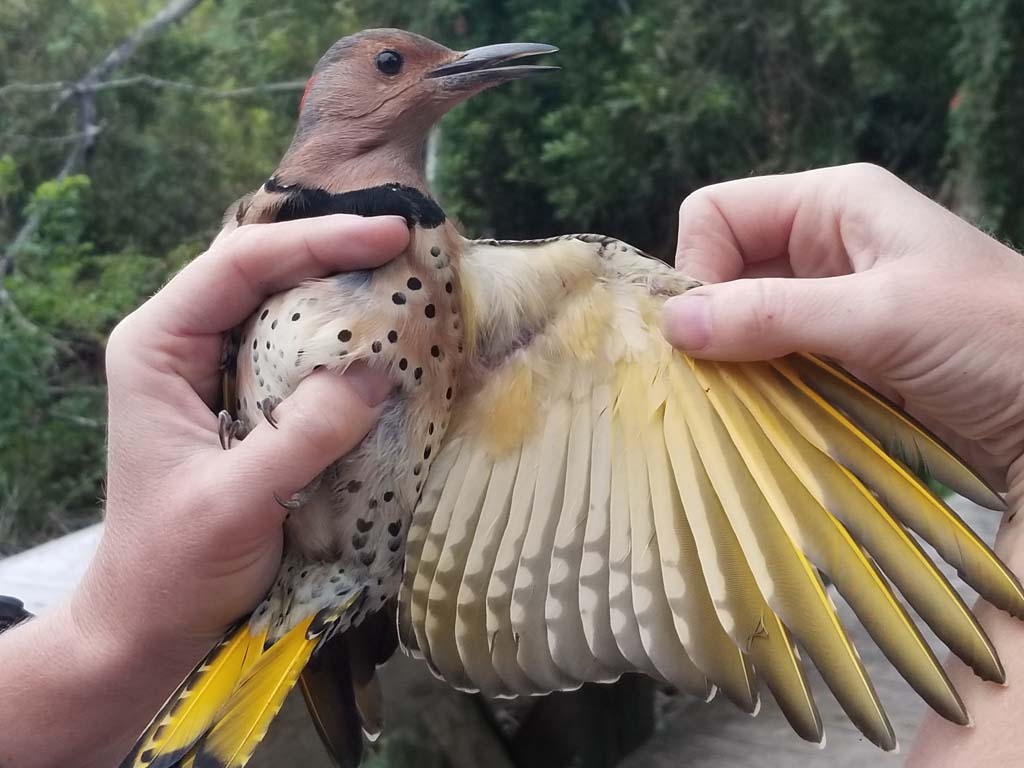
Another one open for debate is whether Alabama’s nickname, the Yellowhammer State, refers to the woodpecker known as the northern flicker, especially a variety in the Southeast called the yellow-shafted flicker. According to “The Yellowhammer Wars” (University of Alabama Press; edited by Kenneth W. Noe) “an Alabama Confederate unit [wore] yellow-trimmed uniforms that allegedly resembled the plumage of the yellow-shafted flicker or ‘yellowhammer.’” In 1927 the yellowhammer woodpecker, with its own yellow trimmings, was officially recognized as the Alabama state bird. Not to be confused with Alabama’s flicker, the Flickertail State (North Dakota) is so named after a different animal, a mammal. Richardson’s ground squirrel is a prairie dog–type rodent that is noted for constantly vibrating its tail.
Native U.S. plants are even more popular than animals as state names. South Carolina (Palmetto), Kansas (Sunflower) and Mississippi (Magnolia) picked appropriate ones. Georgia arguably made a questionable choice, calling itself the Peach State. Peach trees came to America from China. Furthermore, California and South Carolina each produce more peaches annually than Georgia.
Natural habitats represented in state nicknames suggest pride in an identifiable ecosystem or geological feature: Illinois, Prairie; West Virginia, Mountain; Massachusetts, Bay; Rhode Island, Ocean. Others get proprietary about a specific environmental feature: Arizona, Grand Canyon; Vermont, Green Mountain. Some nicknames tout a state’s overall environment, such as climate (Florida, Sunshine State), scenic beauty (New Mexico, Land of Enchantment) and overall environmental assets and resources (Arkansas, Natural State, and Alaska, Last Frontier). Three states identity with minerals: Nevada (Silver), New Hampshire (Granite), Idaho (Gem). One might argue that all were used in mining and commercial contexts. True. But minerals are part of the natural environment.
Most state nicknames reflect a perception the state’s citizens want to project. And then there’s Indiana, the Hoosier State. Numerous grammarians and linguists dating back to the early 1800s have been unable to agree on the origin of “Hoosier.” Was it a name for corn, a sturgeon fish or something else altogether? No one knows for sure, but I’m betting it had something to do with the environment.
Pick a category that has lists and nicknames. Making associations between aspects of the natural world lends support to the position that our connection with the natural environment is deep-rooted. You can begin with countries: Land of the Rising Sun, Emerald Isles and Gift of the Nile will get you started.
Send environmental questions to ecoviews@gmail.com.